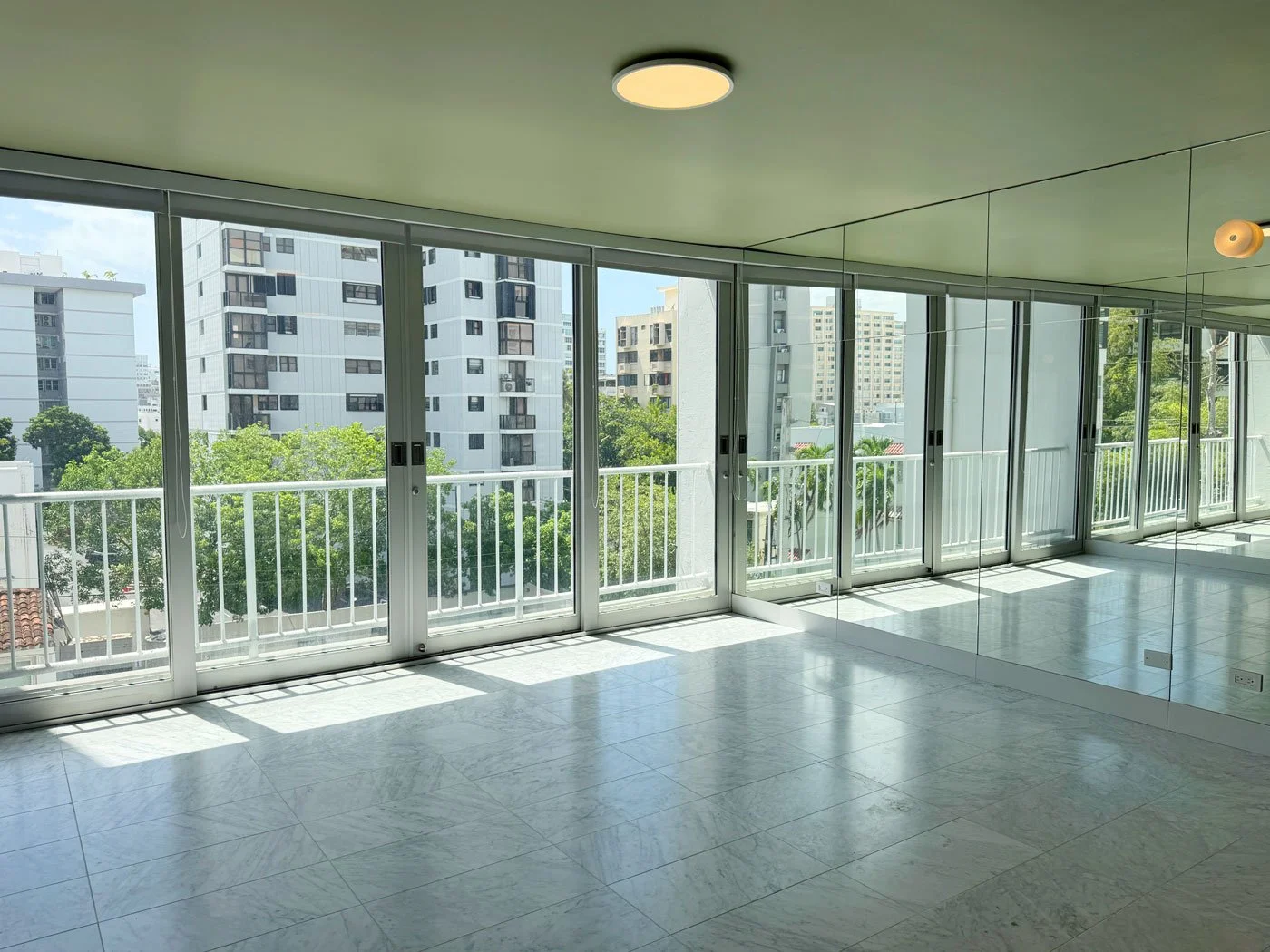
What buyers, sellers, and condominium owners need to know about changing mortgage requirements.
October 2026 | Paraiso Realty
If you own a condominium in Puerto Rico, its resale value may soon depend on something that has little to do with the apartment itself: the financial health of your condominium association.
Beginning January 4, 2027, new mortgage financing requirements from Fannie Mae and Freddie Mac could make certain condominiums more difficult to finance, potentially affecting property values, buyer demand, and the number of apartments available to purchasers using conventional mortgages. For condominium owners and prospective buyers in San Juan, Condado, Ocean Park, Old San Juan, Guaynabo, Loíza, Río Grande, and surrounding communities, these changes deserve attention.
The implications could extend well beyond higher maintenance fees. We may see a growing distinction between condominiums that qualify for conventional financing and those that do not, with meaningful consequences for both buyers and sellers.
How Financing Eligibility Could Affect Condominium Values
Real estate values are influenced by supply and demand. When more buyers compete for a limited number of available properties, prices generally rise. When the number of qualified buyers decreases, sellers may need to adjust their expectations. The new condominium financing requirements could influence both sides of that equation.
Consider two comparable condominium developments in Condado. Both offer similar apartments, amenities, locations, and ocean views. However, one association maintains sufficient financial reserves to satisfy conventional mortgage lending requirements, while the other does not. A buyer planning to finance a purchase may qualify to buy in the first building but be unable to obtain a conventional mortgage for an apartment in the second. That distinction could become increasingly important.
Condominiums that qualify for conventional financing may benefit from greater buyer demand, particularly if a meaningful number of competing developments fail to meet the new standards. Buyers requiring financing would have fewer eligible properties from which to choose, potentially increasing competition and supporting prices in qualifying buildings.
Meanwhile, condominium developments that do not qualify could experience the opposite effect. With conventional mortgage financing unavailable, sellers may find themselves relying more heavily on cash purchasers or buyers who can obtain alternative financing.
Cash buyers often have greater negotiating leverage when competing against fewer potential purchasers. Consequently, apartments in developments with financing restrictions could face downward pressure on resale values.
This does not necessarily mean that condominium prices across Puerto Rico will rise or fall. The impact will likely vary considerably by location, price range, building condition, and the availability of alternative financing.
However, it introduces another important factor into the real estate equation: the financial condition of the condominium association may directly influence the marketability and value of every apartment in the building.
What Changes on January 4, 2027?
Fannie Mae and Freddie Mac, the two major institutions supporting the conventional mortgage market, announced changes to their condominium lending standards in March 2026. Beginning January 4, 2027, condominium associations generally must allocate at least 15% of their annual budgeted assessment income toward replacement reserves to satisfy the applicable conventional mortgage project-review requirements. This represents an increase from the previous 10% standard.
Puerto Rico's Condominium Act, Law 129-2020, generally requires condominium associations to allocate at least 5% of their annual expense budget toward reserves, subject to provisions governing reserve accumulation. The distinction is important. A condominium association could be operating in compliance with Puerto Rico law while failing to satisfy the financial requirements established by Fannie Mae and Freddie Mac.
In addition, Puerto Rico law permits owners to decide whether to continue reserve contributions after the fund reaches a specified percentage of the building's reconstruction value. That arrangement may create further complications for developments that have reduced or suspended annual reserve contributions.
The new mortgage requirements do not change Puerto Rico's condominium law. Instead, they establish stricter financial standards for condominium developments seeking eligibility for certain conventional mortgage loans.
What Does the 15% Requirement Mean in Dollars?
Consider a hypothetical condominium development with 50 apartments, each paying $400 per month in maintenance fees. The association collects approximately $240,000 annually. For an association currently contributing 5%, increasing contributions to 15% would require an additional $24,000 annually, equivalent to approximately $40 per apartment each month if funded entirely through higher maintenance fees. The actual calculation may differ because Puerto Rico's statutory reserve requirement and the conventional lending standards use different budget measures.
Some associations may already meet the higher requirement, while others may need to adjust their budgets, increase maintenance fees, or evaluate alternative ways to demonstrate adequate reserves.
Why Are Lenders Increasing Their Requirements?
The condominium industry's approach to maintenance and financial reserves has received considerable attention since the tragic collapse of the Champlain Towers South building in Surfside, Florida, in June 2021. That disaster highlighted the potential consequences of deferred maintenance, structural deterioration, and insufficient funding for major building repairs.
Condominium associations are responsible for maintaining shared infrastructure, including roofs, elevators, structural components, plumbing systems, and common areas. When associations fail to accumulate adequate reserves, necessary repairs may be postponed or funded through substantial special assessments imposed on individual owners.
For older condominium buildings in Puerto Rico, these concerns can be particularly relevant. Coastal exposure, salt air, tropical weather, hurricanes, and rising insurance expenses can create significant long-term maintenance obligations.
The updated lending requirements are intended to encourage stronger financial planning and reduce the risks associated with inadequately maintained condominium developments.
Does This Mean Some Condominiums Will Become Cash-Only Properties?
Not necessarily, but it could become more difficult for buyers to obtain financing in certain developments.
When a buyer applies for a conventional mortgage on a condominium, the lender evaluates both the buyer's financial qualifications and the condominium development itself. A buyer might have excellent credit, substantial income, and a significant down payment, yet still encounter financing difficulties because the condominium association does not satisfy the lender's project eligibility requirements.
If a development fails to qualify for financing backed by Fannie Mae or Freddie Mac, alternative financing may still be available through banks offering portfolio loans or other mortgage products. However, these alternatives may involve larger down payments, different interest rates, or additional restrictions.
For some properties, the practical result could be a substantially smaller pool of potential purchasers. This creates an interesting opportunity for buyers purchasing with cash. An all-cash buyer is not subject to the same mortgage eligibility requirements and may be able to negotiate more favorable purchase terms when competing against fewer buyers.
However, purchasing a condominium with inadequate financial reserves is not without risk. A discounted purchase price could be offset by future special assessments, increased maintenance fees, or expensive repairs.
A cash buyer should evaluate the condominium association's finances just as carefully as a buyer obtaining a mortgage. Financing restrictions may create negotiating opportunities, but they can also signal underlying financial or maintenance problems.
Other Condominium Financing Changes Are Already in Effect
The January 2027 reserve requirement is part of a broader series of lending changes announced in March 2026. Beginning August 3, 2026, the previous limited-review process was eliminated for applicable new mortgage applications. This means lenders generally must conduct more comprehensive evaluations of condominium developments, although certain smaller projects may qualify for a waiver of project review.
Insurance requirements have also changed, including limitations involving deductibles under condominium master insurance policies. These provisions are particularly relevant in Puerto Rico, where hurricane and windstorm insurance coverage can involve substantial deductibles.
Consequently, a condominium development's insurance coverage, financial reserves, outstanding repairs, and maintenance history can all affect its eligibility for conventional mortgage financing.
Importantly, the new 15% reserve requirement applies to qualifying mortgage applications received on or after January 4, 2027, rather than simply to transactions closing after that date.
Is There an Alternative to the 15% Reserve Requirement?
Yes. Under certain circumstances, a condominium association may satisfy conventional lending requirements through a qualifying professional reserve study rather than allocating a fixed 15% of annual assessment income.
A reserve study evaluates the building's major components, anticipated replacement costs, remaining useful lives, and future maintenance obligations. It then establishes a recommended funding plan designed to ensure that sufficient financial resources are available when major repairs become necessary.
The study must meet specific lender requirements, including standards governing its independence, age, and recommended funding levels. For some condominium associations, this may provide a more practical approach than simply increasing reserves to a predetermined percentage.
More importantly, a professionally prepared reserve study can help owners understand their building's actual long-term financial needs.
What Should Buyers and Sellers Do Now?
For condominium buyers, the message is straightforward: investigate the financial condition of the condominium association before committing to a purchase. Request the current association budget, financial statements, reserve information, insurance documentation, and details of any pending special assessments or significant maintenance issues. If obtaining a mortgage, ask your lender to evaluate the condominium development's financing eligibility early in the process.
For sellers, understanding the association's financial condition before placing an apartment on the market is equally important. If your condominium does not meet conventional lending requirements, that information could influence your asking price, marketing strategy, and negotiations with prospective purchasers. Identifying potential financing obstacles early can help prevent a transaction from falling apart after a buyer has already entered into a purchase agreement.
For condominium associations, the coming months provide an opportunity to review budgets, reserve contributions, insurance policies, and anticipated capital improvements. Associations that may not meet the new standards should consult qualified legal, accounting, lending, and reserve-study professionals to evaluate their options.
A Changing Condominium Market in Puerto Rico
The long-term implications of these financing changes remain to be seen. Much will depend on how condominium associations respond, how lenders implement the requirements, and whether alternative financing remains readily available.
Nevertheless, the potential market consequences are worth understanding.
Condominium developments with strong financial reserves, adequate insurance, and well-maintained buildings may become increasingly attractive to buyers. Those struggling with financial obligations or deferred maintenance could face greater challenges attracting financed purchasers.
For buyers, this could mean fewer conventionally financeable properties to choose from, but potentially greater negotiating opportunities when purchasing with cash.
For sellers, it reinforces an important reality: the value of a condominium is influenced not only by its location, condition, and amenities, but also by the financial health of the association responsible for maintaining the building.
Ultimately, these changes may encourage better financial management and more proactive building maintenance throughout Puerto Rico's condominium market.
And while the transition could present challenges, financially healthy condominium associations benefit everyone—owners, buyers, lenders, and the broader real estate market.
At Paraiso Realty, we believe informed buyers and sellers make better real estate decisions. Whether you're considering purchasing a condominium in Puerto Rico or preparing to sell one, understanding these changing requirements can help you navigate the market with greater confidence.
Paraiso Realty: Helping People Find Their Place in Paradise.
Disclaimer: This article is provided for general educational purposes and does not constitute legal, financial, or mortgage lending advice. Financing eligibility depends on the condominium project, loan program, and lender. Buyers, sellers, and condominium associations should consult qualified professionals regarding their specific circumstances.