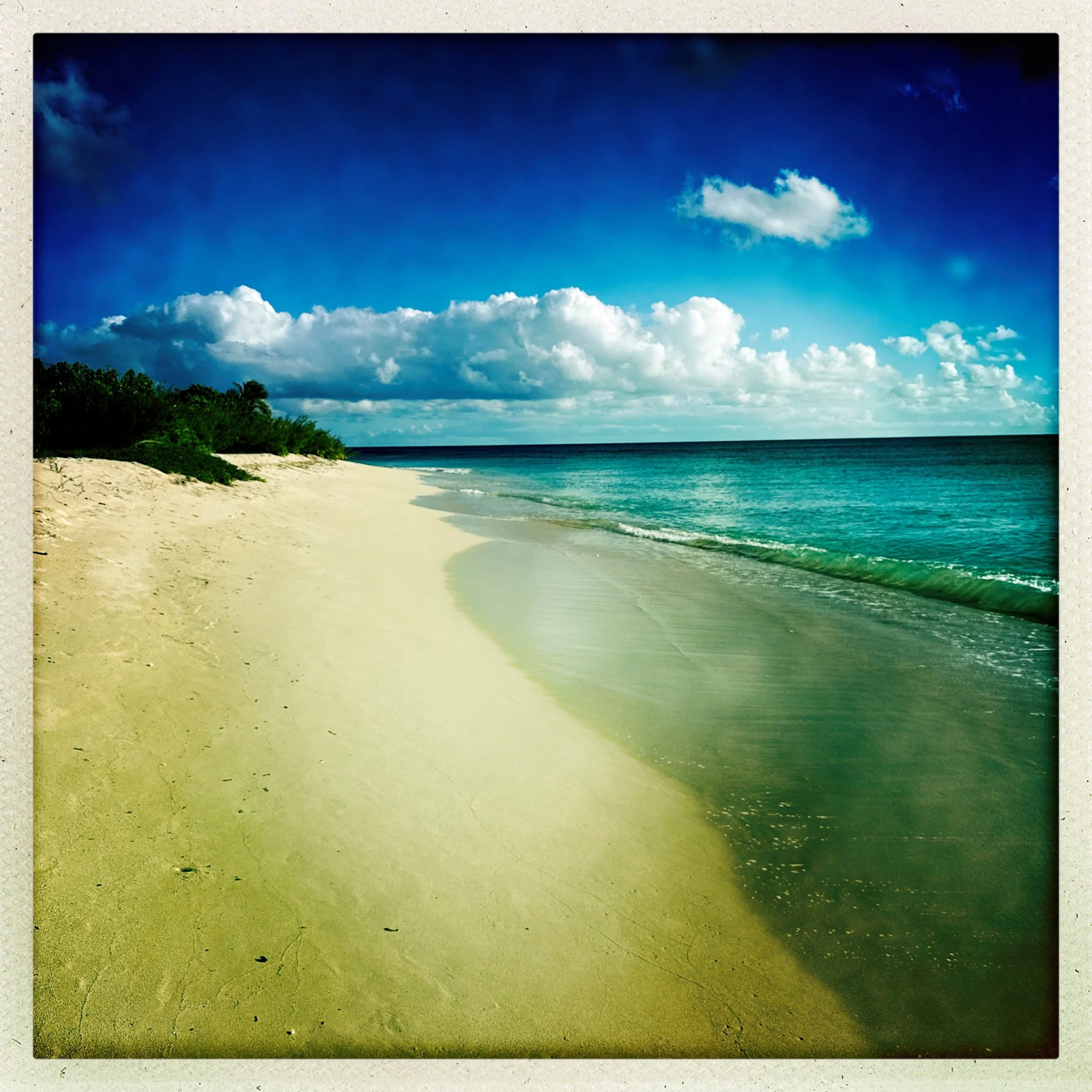
Every so often a news story reminds people of an important fact about Puerto Rico: the beaches belong to everyone. A recent incident in Isabela once again brought attention to the issue when a visitor was reportedly asked to leave a beach by a nearby resident who claimed the area was private property. Situations like this tend to generate strong reactions. Some see them as simple misunderstandings about property boundaries, while others interpret them as examples of outsiders attempting to privatize something that has historically belonged to the public. Regardless of perspective, these moments provide a useful opportunity to revisit the legal framework governing Puerto Rico’s coastline and clarify how the law applies to residents, visitors, and property owners alike.
The Legal Foundation of Public Beaches in Puerto Rico
Puerto Rico’s legal system treats beaches as part of the public domain, a principle that traces back more than a century to Spanish maritime law. The concept was formalized under the Spanish Law of Ports of 1886, which established that coastal areas such as beaches and shores belong to the public and cannot be privately owned. When Puerto Rico’s modern legal framework developed, that principle remained intact.
Today, the concept continues under Puerto Rico’s Civil Code and coastal regulations. Article 9 of Puerto Rico’s Civil Code (31 LPRA §1024) identifies beaches and shores as part of the public domain, meaning they belong collectively to the people and cannot be privately appropriated. In addition, Puerto Rico’s Coastal Zone Management Program and environmental regulations reinforce the idea that beaches are public resources that must remain accessible.
In practical terms, this means that the shoreline itself is not private property. Even if a house, hotel, or condominium sits directly next to the ocean, the beach in front of it generally remains part of the public domain. People are legally allowed to walk along the shoreline, swim, fish, and enjoy the beach without needing permission from adjacent property owners.
For anyone considering buying beachfront real estate in Puerto Rico, this distinction is important. Purchasing a beachfront home does not mean purchasing the beach itself. What buyers typically acquire is a parcel of land adjacent to the ocean—often with beautiful views and immediate access to the shoreline—but the beach remains a shared public resource.
Where Public Beach Ends and Private Property Begins
One of the most common questions people have is where the boundary between public beach and private property actually lies. In Puerto Rico, that line is generally defined by the high-tide mark, sometimes referred to as the “mean high tide line.” This represents the point where the ocean regularly reaches during high tide.
Everything seaward of that line—the sand and shoreline regularly affected by tides—is considered part of the public domain. Land beyond that point may be privately owned, which is why beachfront homes can exist directly beside the ocean while still respecting public access to the beach.
Because tides in the Caribbean are relatively small compared to many other coastal regions, the high-tide boundary can sometimes be difficult to identify visually. Environmental agencies and coastal planners typically determine the precise line using scientific measurements and coastal surveys rather than casual observation. For everyday purposes, however, beachgoers should understand that the wet sand area and the shoreline itself are generally public.
Access to the Beach
While the beach itself may be public, reaching it can sometimes be more complicated. In many coastal areas, private properties lie between public roads and the shoreline. When several homes are built side-by-side along the coast, access from the road to the beach may appear limited.
Puerto Rico’s coastal planning regulations attempt to address this issue by requiring that coastal developments include public access routes to the shoreline. These access points may take the form of pedestrian paths, easements, or designated corridors connecting the road to the beach.
Regulations adopted by Puerto Rico’s Planning Board under the island’s Coastal Zone Management Program recommend that public access points be maintained at regular intervals along the coastline. While implementation varies by municipality, planning guidelines have generally aimed to provide pedestrian access roughly every 400 meters and vehicular access within approximately 800 meters where possible.
The intent of these rules is to prevent long stretches of coastline from becoming effectively inaccessible because of private development. A property owner may fence their yard or protect their private land, but they cannot legally block established public access routes designated by the government.
Why These Conflicts Happen
Despite the clarity of the law, misunderstandings still occur. Many conflicts arise from confusion between beachfront property and the beach itself. Property owners sometimes assume that purchasing land next to the ocean gives them control over the beach in front of their home. Visitors, on the other hand, may assume that because beaches are public, they have the right to cross any private property to reach them.
In reality, both assumptions can be incorrect. Walking along the shoreline within the public beach zone is generally permitted, but crossing private land to reach the beach may not be allowed unless there is a designated public access route or easement. The difference between public shoreline access and private land access is often the source of confusion.
Puerto Rico Is Not Unique
Puerto Rico is far from the only place where these debates occur. Coastal communities around the world have faced similar tensions between private property owners and public access rights.
In Malibu, California, for example, wealthy homeowners have long attempted to limit public access to beaches near their properties. California law, however, treats beaches as public up to the mean high-tide line, and the California Coastal Commission frequently enforces access rights by requiring public pathways to the shore.
The Hamptons in New York have experienced similar legal battles over where the public beach ends and private property begins. Hawaii has perhaps the strongest protections of all, recognizing beaches as public up to the high wash of the waves and requiring that access routes be preserved along the coastline.
Puerto Rico’s system reflects the same basic philosophy: coastal resources belong to the public, even when private properties exist nearby.
What This Means for Beachfront Buyers
For buyers interested in beachfront homes in Puerto Rico, the key takeaway is straightforward. Owning property next to the ocean provides proximity, views, and convenient access to the shoreline, but it does not grant ownership of the beach itself.
In many ways, this arrangement benefits everyone. Puerto Rico has more than 300 miles of coastline and hundreds of beaches, many of which remain accessible to residents and visitors alike. Maintaining public access ensures that the island’s natural beauty can be enjoyed broadly rather than restricted behind gates or private developments.
For property owners, understanding these rules from the beginning helps avoid misunderstandings and ensures that expectations match reality when purchasing coastal real estate.
A Shared Responsibility
Maintaining harmony along the coastline ultimately depends on mutual respect. Visitors should respect private property and use designated access routes when heading to the beach. Property owners should understand that the shoreline itself is part of Puerto Rico’s shared natural heritage and cannot be treated as private land.
Puerto Rico’s beach laws are designed to balance both realities. They protect the public’s right to enjoy the shoreline while also recognizing legitimate private property rights nearby. When those boundaries are understood, the coastline can remain one of the island’s most valuable and accessible natural resources.
Frequently Asked Questions About Puerto Rico Beach Laws
Are beaches private in Puerto Rico?
No. Beaches in Puerto Rico are generally considered part of the public domain under Puerto Rico law, meaning they belong to the public and cannot be privately owned.
Where does the public beach end?
The public beach generally extends to the mean high-tide line, which is the point where the ocean regularly reaches during high tide.
Can a beachfront homeowner ask someone to leave the beach?
Generally, no. Property owners cannot legally prevent someone from being on the public beach area. However, they can restrict people from crossing their private land to reach the beach unless there is a public access easement.
Are there required public access paths to the beach?
Puerto Rico’s coastal planning regulations encourage and often require public access routes to the shoreline, typically spaced along the coastline to prevent beaches from becoming inaccessible due to development.
Are there any private beaches in Puerto Rico?
In rare cases, certain areas may appear restricted due to resorts, military zones, or environmental protections, but the shoreline itself is generally still considered public under Puerto Rican law.
Legal Disclaimer
This article is intended for general informational purposes only and should not be considered legal advice. Laws governing coastal property, public access, and shoreline boundaries in Puerto Rico can be complex and may change over time. Buyers and property owners should consult with a qualified Puerto Rico attorney or licensed professional for advice regarding specific legal questions or property rights.
Paraiso Realty is a licensed real estate brokerage and does not provide legal services.